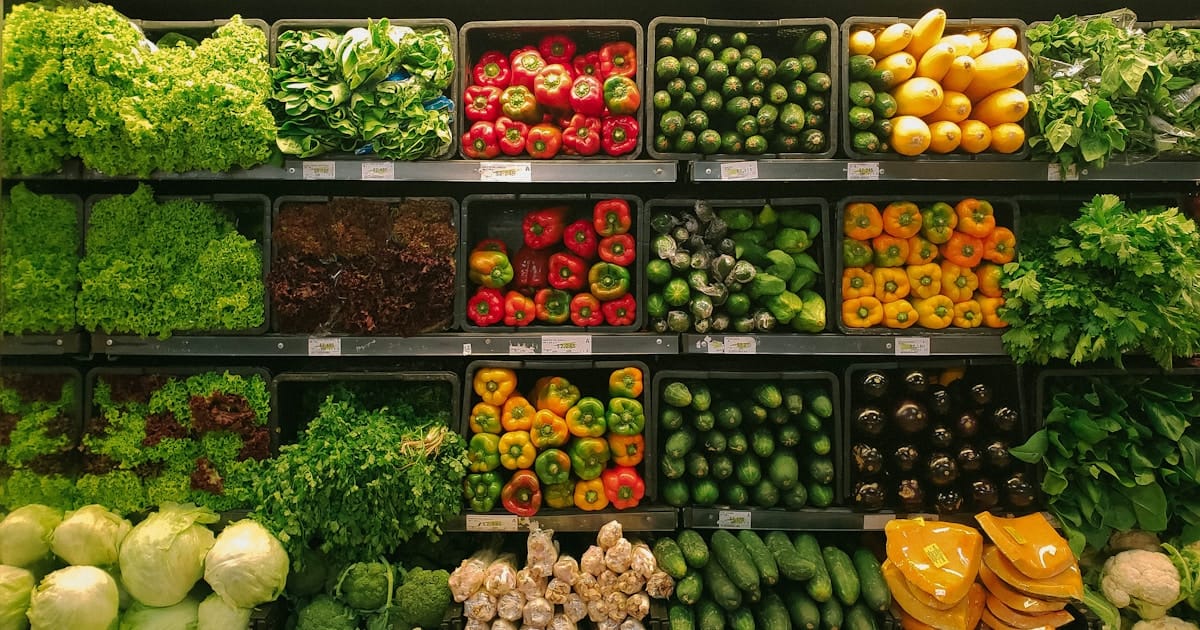
I still remember the shock when I opened my grocery bill last month. It was $50 higher than the previous one. As someone who's always been careful with spending, I couldn't believe how fast food prices were rising. Every item seemed more expensive—rice, beans, even the fresh produce I love. But as I dug deeper into the numbers, it hit me: this wasn’t just a fluke. Grocery prices are forecasted to keep climbing in 2026.
Why Grocery Prices Keep Climbing in 2026
The USDA predicts a 2.7% increase in grocery prices for 2026. It might not sound like much, but when you add it on top of the already high costs, it really adds up. Take rice, for example—prices have spiked by 11%. What's driving these increases? One big factor is fuel costs. Global conflicts have pushed gas prices up, and that extra cost is trickling down to food transportation.
From your local farmer’s market to the canned goods at the grocery store, higher gas prices are affecting everything. As a consumer, it can feel overwhelming to keep up with these rising costs. But there are ways to fight back, and I’m excited to share some strategies that have worked for me.
The Pantry Audit That Saved Me $200 a Month
One of the simplest (and most effective) ways to save money on groceries is by taking stock of what you already have at home. I call this a "pantry audit," and it’s helped me reduce my grocery bill by about $200 per month.
- Step 1: Take everything out. Yes, every single item from your pantry, cupboards, and fridge. This helps you see what you have and what’s nearing expiration.
- Step 2: Purge the expired items. Be ruthless—toss anything past its prime or gross-looking.
- Step 3: Organize your remaining items. Group similar items together (like all your canned goods) and keep frequently used items front-and-center.
- Step 4: Meal plan from your pantry. Use what you have to plan meals for the week. This reduces food waste and saves you money on unnecessary purchases.
By doing a regular pantry audit, I’ve cut my grocery spending significantly—and it’s also sparked some creative meal ideas!
Store Strategies That Actually Work
Saving money at the store can be a game of strategy. Here are some of my favorites:
- Compare unit prices. Don’t just look at the price tag; calculate the cost per ounce or pound to get the best deal.
- Store brands vs name brands. Store-brand options are often just as good but much cheaper. For example, Fred Meyer’s store-brand almond milk is $1.50 cheaper per half-gallon than the name brand—and it tastes just as good!
- Shop multiple stores. Don’t be afraid to hit up different stores for the best deals. I love Trader Joe's for unique finds, WinCo for bulk staples, and Grocery Outlet for amazing bargains.
- Look for loss leaders. Many stores offer deeply discounted "loss leader" items each week—these are often placed at eye level or near the front of the store. Stock up on non-perishables when you see them!
- The 3-3-3 rule. When shopping, try to buy three items in bulk, three items on sale, and three fresh produce items each week. This helps balance your spending and reduce waste.
Cheap Protein Swaps When Meat Prices Surge
Meat can be a big expense for many shoppers, but there are plenty of affordable alternatives that are just as satisfying. Here are some cheap protein swaps to try:
- Beans and lentils. These fiber-rich staples cost about $1-2 per pound and can be used in soups, salads, and more.
- Eggs. At just $0.25 per egg, they’re one of the cheapest protein sources—and super versatile!
- Canned fish. Canned tuna or salmon can be a great alternative to fresh meat, with prices starting at around $2-3 per serving.
- Tofu. This plant-based protein is often cheaper than meat (about $1.50 per block) and can be marinated and cooked in countless ways.
By incorporating these affordable options into your meal planning, you can save a lot on protein sources without sacrificing flavor or nutrition!
Apps and Tools I Use Every Week
In addition to the strategies above, there are several apps and tools that have become essential in my grocery shopping routine:
- Flashfood. This app offers exclusive deals on surplus groceries at a fraction of the original price—like getting artisanal bread for $10!
- Too Good To Go. Similar to Flashfood, this app connects you with local restaurants and cafes offering discounted "surplus" food.
- Ibotta. This popular cashback app offers rebates on certain grocery items each week. Just browse the offers, shop as usual, and redeem your rewards!
- Store apps with digital coupons. Many stores now offer exclusive digital coupons that can be loaded onto your loyalty card or mobile app. I love using these to save an extra $5-10 per shopping trip.
Incorporating just one (or two, or three!) of these strategies into your grocery routine can help you start saving money and reducing food waste in no time. Remember: small steps today, big wins tomorrow! Don’t let rising grocery prices overwhelm you—take control with a few simple changes.
So which tip will you try first? Let me know in the comments below!
Penny-pinching is just the beginning—and I’m excited to see where these small steps take us. Happy shopping, friends! Being frugal doesn’t mean boring—it means being smart with your money so you can live life on your own terms.